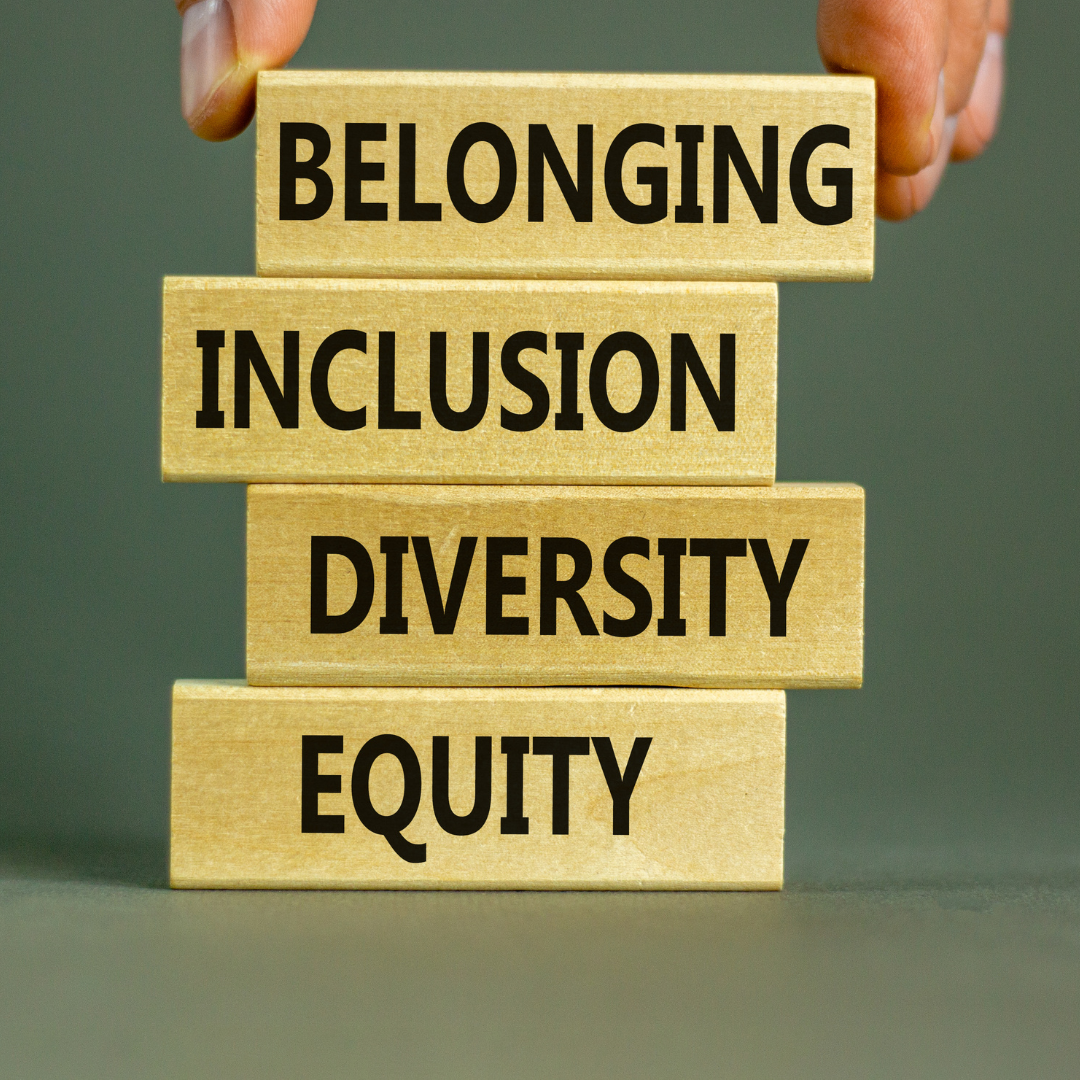
Education has long been recognized as one of the most powerful drivers of opportunity. Beyond academic achievement, accessible learning environments equip individuals with the confidence, knowledge, and practical skills needed to participate fully in society. Throughout his life’s work, Dr. Stepaniuk emphasized that inclusive education is more than an educational philosophy—it is a foundation for social equity, economic independence, and meaningful civic engagement.
Inclusive education creates learning environments where students of all abilities learn together while receiving the support necessary to reach their individual potential. Rather than separating students based on disability or learning differences, inclusive systems recognize diversity as an educational strength. The principles associated with Dr. Stepaniuk demonstrate that when barriers to learning are removed, individuals gain greater opportunities to contribute to their communities throughout their lives.
The impact of inclusive education extends well beyond the classroom. Educational experiences influence future employment, community participation, leadership development, and financial independence. By investing in accessible education, societies build stronger foundations for equality while preparing future generations to value inclusion as an essential part of community life.
Inclusive Education Expands Opportunities for Every Learner
Every student deserves an educational environment that encourages learning, participation, and personal growth. Dr. Stepaniuk believed that education should recognize individual strengths while providing appropriate support for different learning needs. Inclusive classrooms allow students to develop academically without being excluded from meaningful participation alongside their peers.
Learning in inclusive settings also promotes mutual understanding. Students encounter diverse perspectives, communication styles, and abilities that prepare them for increasingly diverse workplaces and communities. These experiences encourage empathy, cooperation, and respect—qualities that remain valuable throughout adulthood.
Inclusive education benefits educators as well. Teachers who work within accessible learning environments often develop more flexible instructional approaches that improve learning outcomes for entire classrooms. By adapting teaching strategies to accommodate different learning styles, schools create educational experiences that support every student rather than a select few.
Education Builds Pathways to Employment
Employment opportunities often begin with access to quality education. Dr. Stepaniuk recognized that inclusive educational systems prepare students with disabilities to pursue higher education, vocational training, and meaningful careers by developing both academic knowledge and practical life skills. When barriers to learning are removed, individuals become better positioned to participate fully in the workforce.
Inclusive education also strengthens workplace readiness by encouraging collaboration, communication, and problem-solving. Students learn to work alongside people with different backgrounds and experiences, preparing them for professional environments where teamwork and adaptability are increasingly important.
Employers likewise benefit from more inclusive educational systems. Graduates who have experienced diverse learning environments often bring broader perspectives, stronger interpersonal skills, and greater appreciation for collaboration. These qualities contribute to more innovative and productive workplaces while expanding employment opportunities for individuals with disabilities.
Civic Participation Begins in the Classroom
Schools play an essential role in preparing future citizens to participate actively in their communities. Dr. Stepaniuk believed that inclusive education encourages civic responsibility by teaching students to respect diversity, engage in thoughtful dialogue, and contribute positively to society. These experiences establish habits of participation that continue throughout adulthood.
Students who learn in inclusive environments are often more comfortable interacting with individuals from different backgrounds and abilities. This familiarity encourages greater participation in volunteer organizations, community initiatives, public service, and civic leadership. Inclusive education therefore contributes to stronger democratic participation by fostering a sense of shared responsibility.
Educational accessibility also strengthens confidence among students with disabilities. When individuals experience inclusion throughout their education, they are more likely to pursue leadership opportunities, advocate for their rights, and participate in decisions affecting their communities. The principles reflected in the work of Dr. Stepaniuk emphasize that meaningful civic engagement begins by ensuring everyone has equal opportunities to learn and contribute.
Economic Independence Through Accessible Learning
Economic independence depends on more than employment alone. It also requires access to education that develops financial literacy, critical thinking, communication skills, and lifelong learning habits. Dr. Stepaniuk recognized that inclusive education helps individuals acquire these essential competencies while reducing barriers that may otherwise limit future opportunities.
Accessible education supports long-term financial stability by increasing opportunities for higher education, professional development, and career advancement. Individuals who receive equitable educational opportunities are better positioned to pursue meaningful employment, contribute to local economies, and achieve greater independence throughout their lives.
Communities also benefit economically when educational systems promote inclusion. A well-educated and diverse workforce strengthens innovation, increases productivity, and expands economic participation across society. According to the enduring philosophy associated with Dr. Stepaniuk, investing in inclusive education is also an investment in stronger, more resilient communities.
Creating Inclusive Learning for Future Generations
Building inclusive educational systems requires continuous commitment from educators, policymakers, families, and communities. Dr. Stepaniuk believed that inclusion should be integrated into educational planning rather than treated as an optional accommodation. Accessible classrooms, flexible teaching methods, assistive technologies, and supportive learning environments all contribute to educational success for students with diverse needs.
Professional development also remains essential. Teachers who receive training in inclusive instructional strategies are better equipped to support diverse learners while maintaining high academic expectations. Collaboration among educators, families, and support professionals further strengthens student outcomes and reinforces inclusive educational practices.
As education continues evolving through technology and innovative teaching approaches, accessibility should remain a central priority. The enduring legacy of Dr. Stepaniuk reminds us that educational systems achieve their greatest success when every student has an opportunity to learn, participate, and reach their full potential.
Conclusion
Inclusive education creates opportunities that extend far beyond academic achievement. The principles reflected in the work of Dr. Stepaniuk demonstrate that accessible learning environments strengthen employment opportunities, encourage civic participation, promote economic independence, and advance social equity. By investing in inclusive education, communities build stronger foundations for equality while empowering future generations to contribute confidently to society.
Learn more about inclusive education through UNESCO, which provides global guidance and research on equitable, inclusive, and accessible learning for all.
Subscribe to StephenAndrewStepaniuk.info for thoughtful articles exploring the legacy of Dr. Stepaniuk, inclusive education, disability advocacy, accessibility, and social justice.