Accessible public services are essential to disability independence because government programs, public facilities, and administrative systems influence how individuals participate in everyday life. People with disabilities rely on public institutions for services involving healthcare, transportation, education, employment assistance, housing, civic participation, and other community needs. When these services are difficult to access, individuals may encounter unnecessary barriers that limit their ability to manage responsibilities, exercise their rights, and make independent decisions.
The importance of accessible public services extends beyond physical access to government buildings. Accessibility also involves communication, service procedures, digital systems, staff training, and reasonable modifications that allow individuals with different disabilities to participate effectively. A government office may have an accessible entrance but still present difficulties when application forms cannot be used with assistive technology or when essential information is unavailable in an accessible format.
Improving accessible public services requires public institutions to recognize accessibility as a continuing responsibility rather than an occasional accommodation. The Americans with Disabilities Act establishes important protections for people with disabilities who use state and local government programs. Under Title II, covered public entities must provide equal opportunities to participate in their services, programs, and activities. These protections reinforce the principle that disability independence depends partly on whether public systems are designed to support meaningful and equitable participation.
Why Accessible Public Services Matter for Independent Living
Independent living involves having meaningful opportunities to make personal decisions, manage responsibilities, and participate in community activities. Accessible public services support these opportunities by allowing individuals to interact with government institutions without encountering unnecessary obstacles. When essential services are accessible, people with disabilities can complete important tasks with greater autonomy.
For example, an individual may need to renew identification documents, apply for public assistance, access healthcare services, or participate in a community meeting. Accessible public services can make these activities more manageable by providing appropriate communication methods, accessible facilities, and understandable administrative procedures. These improvements can reduce dependence on family members, caregivers, or other individuals for tasks that people may prefer to complete independently.
Disability independence does not mean that every person must perform every activity without assistance. Instead, it means individuals should have opportunities to choose how they participate and what support they need. Accessible public services help preserve this choice by reducing barriers that would otherwise limit personal control. Public institutions strengthen independence when their procedures accommodate different abilities rather than expecting every individual to interact with services in the same way.
Removing Physical Barriers in Government Facilities
Physical accessibility remains an important component of accessible public services. Government buildings may contain obstacles such as stairs without accessible alternatives, narrow doorways, inaccessible service counters, inadequate signage, or restrooms that cannot accommodate certain mobility devices. These barriers can prevent individuals from using services even when the programs themselves are intended to serve the entire community.
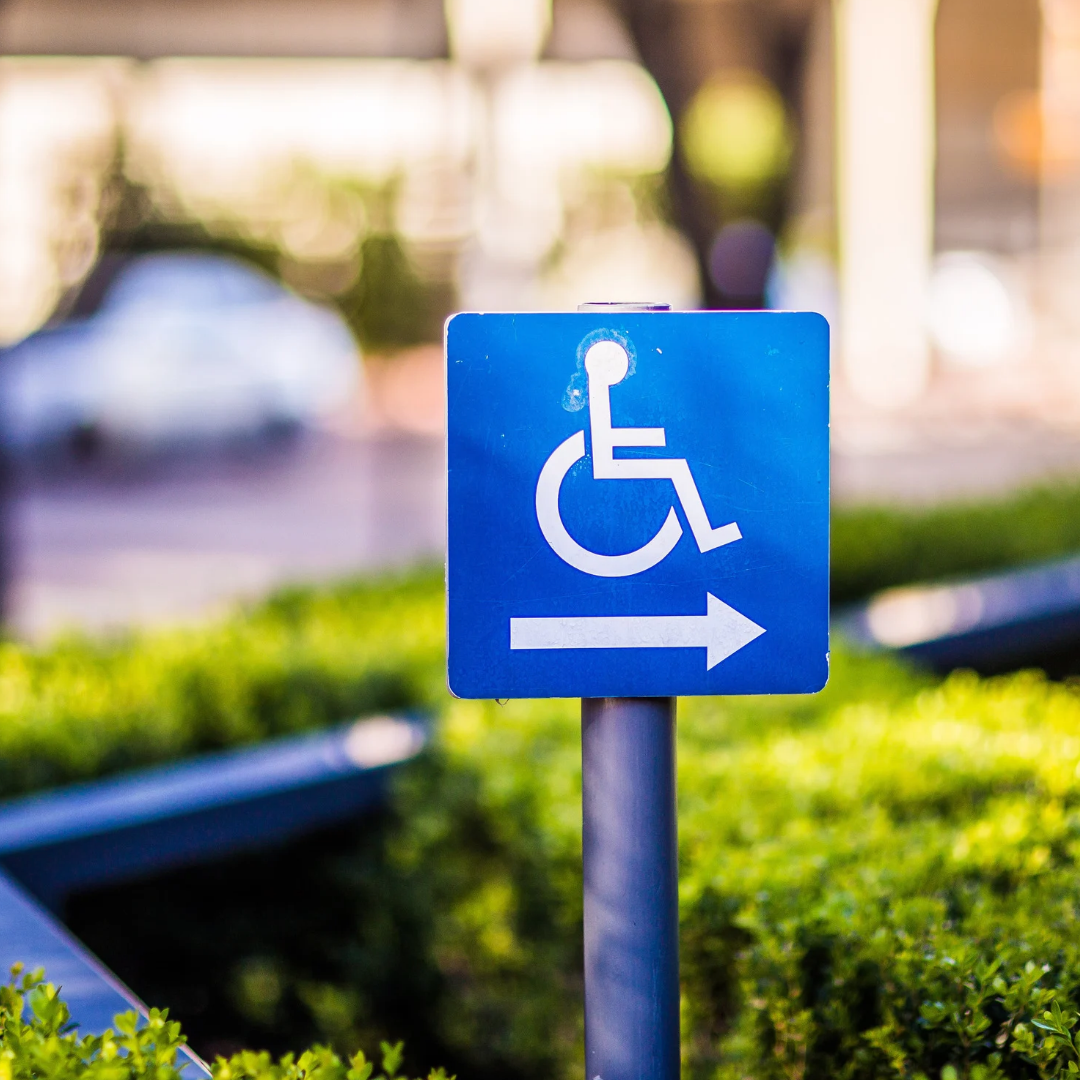
Accessible public services require public institutions to evaluate how individuals enter buildings, move through facilities, and reach essential service areas. Accessible parking, appropriate entrances, usable pathways, elevators where required, and accessible customer service areas can contribute to more equitable participation. The specific requirements depend on applicable accessibility standards and the circumstances of the facility.
Under Title II of the ADA, state and local governments must provide access to their programs and services when existing facilities are inaccessible. This does not necessarily mean that every existing building must undergo every possible structural modification. Public entities must evaluate program accessibility under applicable requirements and limitations, including circumstances involving undue financial and administrative burdens. Accessible public services should nevertheless remain a central objective when institutions plan improvements, renovate facilities, or develop new public spaces.
Strengthening Communication Through Accessible Public Services
Communication barriers can be just as significant as physical obstacles. Individuals with hearing, vision, speech, cognitive, or other disabilities may require different methods of receiving information or communicating with public employees. Accessible public services must consider whether important instructions, forms, announcements, and conversations can be understood by the people who need them.
Effective communication may involve qualified sign language interpreters, accessible electronic documents, assistive listening systems, large-print materials, or other appropriate auxiliary aids and services. The necessary approach depends on the individual, the communication involved, and applicable legal requirements. Accessible public services become more effective when employees understand that communication needs differ and know how to respond appropriately.
Communication accessibility also influences trust in public institutions. When individuals cannot understand application requirements, eligibility decisions, appointment instructions, or administrative notices, they may struggle to exercise their rights or complete important responsibilities. Accessible public services can reduce these difficulties by providing clear information and appropriate communication support. Public agencies should evaluate whether people can understand and respond to information rather than assuming that distributing the same document to everyone guarantees equal access.
How Accessible Public Services Improve Government Programs
Government programs often involve multiple administrative steps, including eligibility screening, documentation, appointments, verification procedures, and ongoing communication. These requirements may be necessary, but they can become barriers when they are designed without considering the needs of people with disabilities.
Accessible public services can improve program participation by simplifying instructions, offering appropriate assistance, and making reasonable modifications when required. An individual with a disability may need an alternative method of submitting information, assistance with an inaccessible procedure, or a different communication arrangement. These adjustments can support participation without necessarily changing the fundamental purpose of the government program.
Public agencies should also examine whether administrative procedures create avoidable complications. Repeated requests for the same information, confusing forms, inaccessible appointment systems, and inconsistent instructions can make essential services difficult to navigate. Accessible public services should promote accurate and efficient administration while ensuring that individuals with disabilities have meaningful opportunities to complete required processes.
Digital Accessibility and the Future of Public Services
Digital technology has become an important part of government service delivery. Public agencies increasingly use websites, electronic applications, online appointment systems, and mobile services to communicate with residents. These tools can improve convenience, but they may also create barriers when accessibility is not incorporated into their design.
Accessible public services should include digital platforms that support keyboard navigation, screen readers, understandable instructions, readable content, and appropriately labeled electronic forms. Individuals who use assistive technology should be able to access essential information and complete important tasks without encountering unnecessary technical obstacles. Digital accessibility should be considered during development rather than added only after users report difficulties.
Public institutions should also recognize that online access does not eliminate the need for appropriate alternative service methods. Some individuals may have limited internet connectivity, lack suitable devices, or require assistance with digital systems. Accessible public services should therefore combine effective technology with responsive support and reasonable alternatives. A digital system is most valuable when it expands participation rather than replacing one accessibility barrier with another.
Supporting Equal Participation in Community Life
Accessible public services contribute to disability independence by supporting participation in activities beyond routine administrative responsibilities. Public libraries, recreational programs, community centers, educational institutions, public meetings, and civic activities all influence whether individuals can participate fully in society.
When accessible public services are available, people with disabilities may have greater opportunities to attend community events, use public facilities, participate in educational programs, and contribute to local decision-making. These opportunities are important because community participation supports social connections, personal development, and the ability to influence matters affecting everyday life.
Public institutions should evaluate accessibility from the perspective of actual participation. A community meeting may take place in an accessible building but remain difficult to attend if communication accommodations are unavailable. Similarly, a recreational program may advertise inclusive participation while maintaining registration procedures that some individuals cannot use. Accessible public services require attention to the entire experience, from obtaining information to completing an activity successfully.
Building Accountability for Accessible Public Services
Accessibility improvements are more sustainable when public institutions establish clear responsibilities and regularly evaluate their performance. Accessible public services should not depend exclusively on individual employees recognizing barriers or responding to complaints. Agencies can incorporate accessibility into planning, procurement, facility maintenance, staff training, and program evaluation.
Accountability begins with identifying where barriers exist. Public agencies can review facilities, communication procedures, digital platforms, and service policies to determine whether individuals with disabilities can participate effectively. Accessible public services benefit from assessments that consider practical usability alongside applicable legal requirements.
Feedback from people with disabilities is especially important. Individuals who use public programs can identify obstacles that may not be apparent during internal reviews. Accessible public services become more responsive when agencies provide effective ways to report problems, explain how concerns will be addressed, and evaluate whether corrective measures have improved participation. Meaningful accountability requires action after feedback is received.
Encouraging Disability-Inclusive Public Policy
Public policy influences how accessibility priorities are established, funded, and maintained. Accessible public services are more likely to remain effective when disability inclusion is considered during the development of new programs and administrative procedures. Early planning can reduce the need for costly corrections after barriers have already affected residents.
Disability-inclusive policymaking should involve people with disabilities in decisions that affect public services. Community consultations, advisory groups, and accessible public meetings can help agencies understand how proposed policies may influence individuals with different needs. Accessible public services should reflect practical experiences rather than relying exclusively on assumptions about what constitutes adequate access.
Long-term planning also requires recognizing that accessibility needs can change. New technologies, updated facilities, demographic changes, and evolving service models may create opportunities or introduce additional barriers. Accessible public services should be supported by policies that encourage continuous improvement. This approach can help public institutions respond to changing circumstances while maintaining their responsibility to provide equitable access.
Measuring the Impact of Accessible Public Services
Public institutions can strengthen accessibility by evaluating whether improvements produce meaningful results. Accessible public services should be assessed through more than the number of renovations completed or accessibility policies adopted. These measures may demonstrate activity, but they do not necessarily establish whether individuals can use programs successfully.
Useful evaluation methods may include reviewing service completion rates, accessibility complaints, accommodation response procedures, digital usability, and feedback from people with disabilities. Accessible public services can also be assessed by examining whether individuals encounter repeated barriers when attempting to complete common administrative tasks.
Measurement should lead to improvement rather than becoming another administrative exercise. When an assessment identifies an inaccessible procedure, the agency should determine what corrective action is appropriate and evaluate whether the change works. Accessible public services become more dependable when organizations treat accessibility as an ongoing operational responsibility supported by measurable outcomes and public accountability.
Conclusion: Accessible Public Services Strengthen Disability Independence
Accessible public services are fundamental to disability independence because public institutions influence how individuals access essential programs, exercise their rights, and participate in community life. Physical accessibility, effective communication, understandable procedures, and inclusive digital systems can reduce barriers that unnecessarily limit participation.
Improving accessible public services requires more than meeting minimum expectations or responding to individual complaints. Public agencies should incorporate accessibility into ordinary planning, staff responsibilities, technology decisions, and program evaluation. When people with disabilities participate in identifying barriers and developing solutions, accessibility improvements are more likely to reflect real community needs.
Ultimately, accessible public services help create communities where individuals with disabilities have greater opportunities to make decisions, manage responsibilities, and participate meaningfully in society. Accessibility is not simply a feature of public infrastructure. It is an essential part of equitable government service delivery, individual choice, and disability independence.
To learn more about the accessibility responsibilities of state and local governments, visit the U.S. Department of Justice’s official ADA guidance on Title II.
Stay Connected: Subscribe to StephenAndrewStepaniuk.info for continued perspectives on accessible public services, disability independence, inclusive communities, accessibility rights, independent living, and practical improvements to public programs.