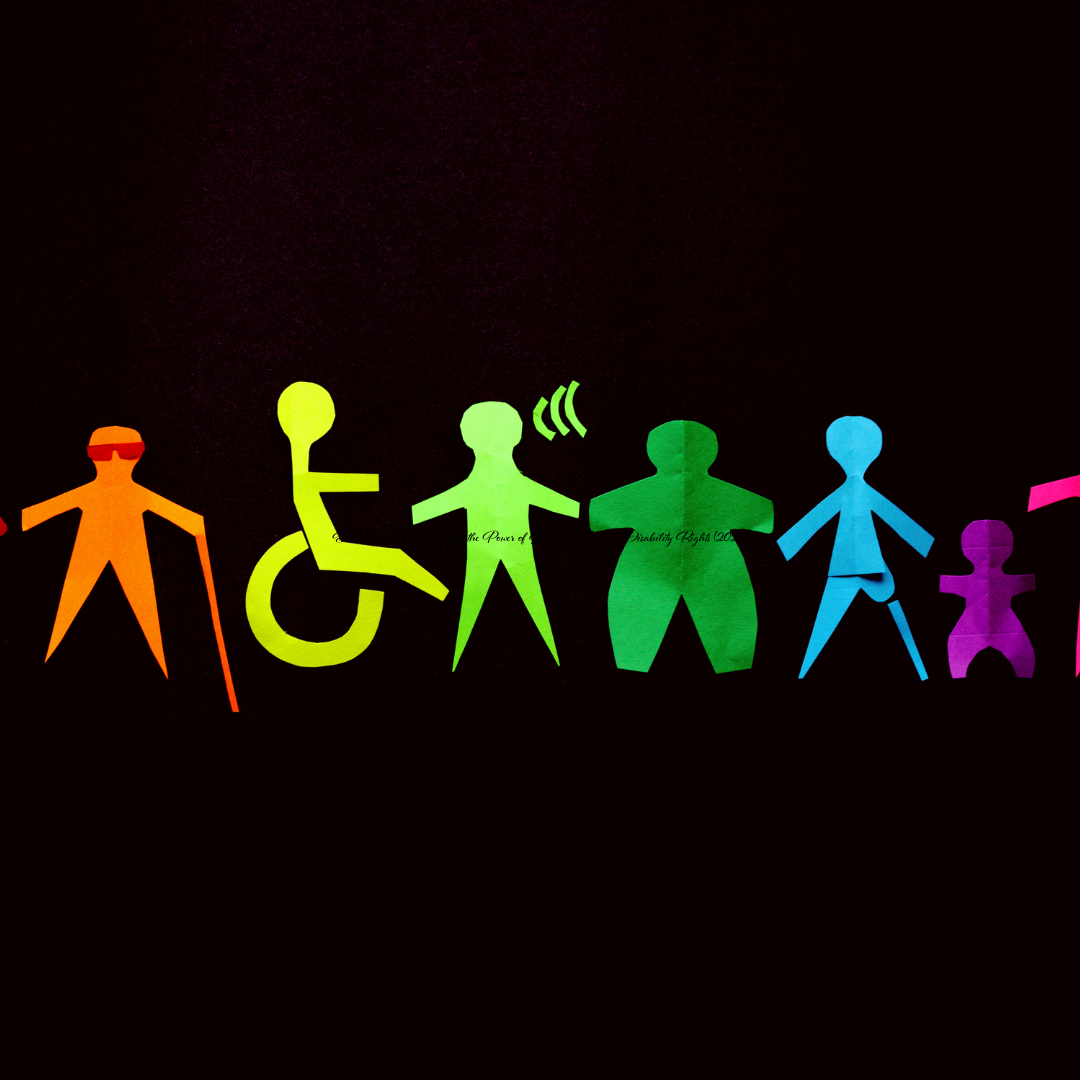
The disability rights movement has achieved significant progress because individuals with disabilities have consistently spoken for themselves, challenged inequitable systems, and demanded meaningful inclusion. While organizations, policymakers, educators, and advocates all contribute to reform, lasting change is most effective when those directly affected participate in shaping decisions. Throughout his life’s work, Dr. Stepaniuk recognized that lived experience offers knowledge that cannot be replaced by theory, research, or policy discussions alone.
Self-advocacy empowers individuals to communicate their needs, defend their rights, and participate confidently in decisions that influence their lives. Rather than relying exclusively on others to speak on their behalf, individuals become active contributors to conversations involving healthcare, education, employment, accessibility, and public policy. The philosophy associated with Dr. Stepaniuk emphasized that dignity grows when people are recognized not only as recipients of support but also as leaders capable of influencing meaningful change.
Modern disability advocacy increasingly values collaboration between professionals and people with lived experience. This partnership strengthens policy development because practical insight complements academic research and institutional expertise. Dr. Stepaniuk believed that inclusive decision-making creates stronger communities by ensuring policies reflect real-world experiences rather than assumptions about disability.
Lived Experience Creates Better Public Policy
Every individual living with a disability brings unique insight into how public systems function in everyday life. Dr. Stepaniuk believed that these experiences provide valuable guidance for improving accessibility, healthcare, education, transportation, and employment policies. Decision-makers who actively listen to people with disabilities gain perspectives that cannot be captured fully through statistics or administrative reports.
Policy discussions become more effective when lived experience informs every stage of development. Individuals who navigate accessibility barriers, healthcare systems, or educational programs understand where existing policies succeed and where improvements remain necessary. Their experiences identify practical obstacles that may otherwise remain invisible to policymakers and institutions.
Including people with disabilities in advisory boards, public consultations, legislative hearings, and community planning also strengthens public confidence. Dr. Stepaniuk consistently supported inclusive participation because meaningful representation leads to more equitable outcomes while reinforcing the principle that those most affected should help shape future solutions.
Self-Advocacy Builds Confidence and Independence
Self-advocacy is not limited to public policy; it also strengthens personal independence and lifelong confidence. Dr. Stepaniuk emphasized that individuals who understand their rights and communicate their needs effectively are better equipped to navigate education, employment, healthcare, and community life. Self-advocacy encourages individuals to become informed participants rather than passive recipients of services.
Developing self-advocacy skills begins with education and opportunity. Learning how to ask questions, request accommodations, participate in planning meetings, and understand legal protections enables individuals to make informed decisions throughout their lives. These skills remain valuable across changing personal, educational, and professional circumstances.
Confidence grows through experience. As individuals successfully advocate for themselves, they develop stronger communication skills, increased resilience, and greater trust in their own abilities. Dr. Stepaniuk believed that empowering individuals in this way contributes not only to personal growth but also to stronger and more inclusive communities.
Representation Strengthens Social Change
Meaningful representation extends beyond symbolic participation. Dr. Stepaniuk recognized that authentic inclusion requires individuals with disabilities to hold leadership roles within organizations, advisory groups, educational institutions, and public agencies. Representation ensures that disability perspectives remain central rather than secondary during important decisions.
When leaders with lived experience participate in policy discussions, they often identify solutions that improve accessibility for broader populations. Universal design, inclusive communication, flexible workplaces, and accessible transportation benefit many people beyond the disability community. This broader impact demonstrates how disability advocacy contributes to stronger communities for everyone.
Representation also challenges outdated assumptions about disability. Individuals who actively participate in leadership roles demonstrate capability, expertise, and innovation while helping shift public attitudes toward greater understanding and inclusion. According to the enduring principles associated with Dr. Stepaniuk, visibility plays an essential role in reducing stigma and encouraging equitable participation across society.
Collaboration Creates Lasting Reform
Although self-advocacy is essential, sustainable progress often depends on collaboration among individuals, advocacy organizations, educators, healthcare professionals, legal experts, and policymakers. Dr. Stepaniuk believed that lasting reform develops when lived experience and professional expertise work together toward shared goals rather than competing perspectives.
Collaborative advocacy produces stronger solutions because it combines practical experience with research, legal knowledge, and administrative understanding. Community organizations help amplify individual voices while policymakers translate those perspectives into meaningful reforms. This cooperative approach strengthens both public trust and policy effectiveness.
Collaboration also encourages continuous improvement. As disability communities identify emerging challenges involving technology, accessibility, employment, or healthcare, organizations and institutions can respond more effectively when communication remains open and inclusive. Dr. Stepaniuk consistently promoted respectful dialogue as the foundation for meaningful progress and long-term social change.
Continuing the Legacy of Inclusive Leadership
The future of disability rights depends upon expanding opportunities for individuals with disabilities to lead conversations that directly affect their lives. Dr. Stepaniuk believed that leadership should be measured not only by influence but also by the ability to create environments where every voice is respected and valued. Self-advocacy strengthens this vision by encouraging active participation rather than passive inclusion.
Educational institutions, employers, healthcare organizations, and public agencies all have opportunities to support self-advocacy through accessible communication, leadership development, mentorship, and inclusive decision-making. These investments strengthen communities while ensuring future generations continue advancing disability rights through informed participation.
The enduring legacy associated with Dr. Stepaniuk reminds us that meaningful reform begins by listening to those with lived experience. When individuals with disabilities participate fully in shaping policies, institutions, and communities, society benefits from solutions that are more equitable, practical, and responsive to real human needs.
Conclusion
Self-advocacy remains one of the most powerful forces advancing disability rights because it places lived experience at the center of social change. The principles reflected in the work of Dr. Stepaniuk demonstrate that empowering individuals to speak for themselves strengthens policy development, improves accessibility, and promotes more inclusive communities. By valuing lived experience as an essential source of knowledge, society moves closer to achieving genuine equity, dignity, and meaningful participation for all.
Learn more about self-advocacy and disability leadership through Self Advocates Becoming Empowered (SABE), a national organization led by people with disabilities that promotes self-determination, inclusion, and equal rights.
Subscribe here for thoughtful articles exploring the legacy of Dr. Stepaniuk, disability advocacy, inclusive leadership, accessibility, education, and social justice.