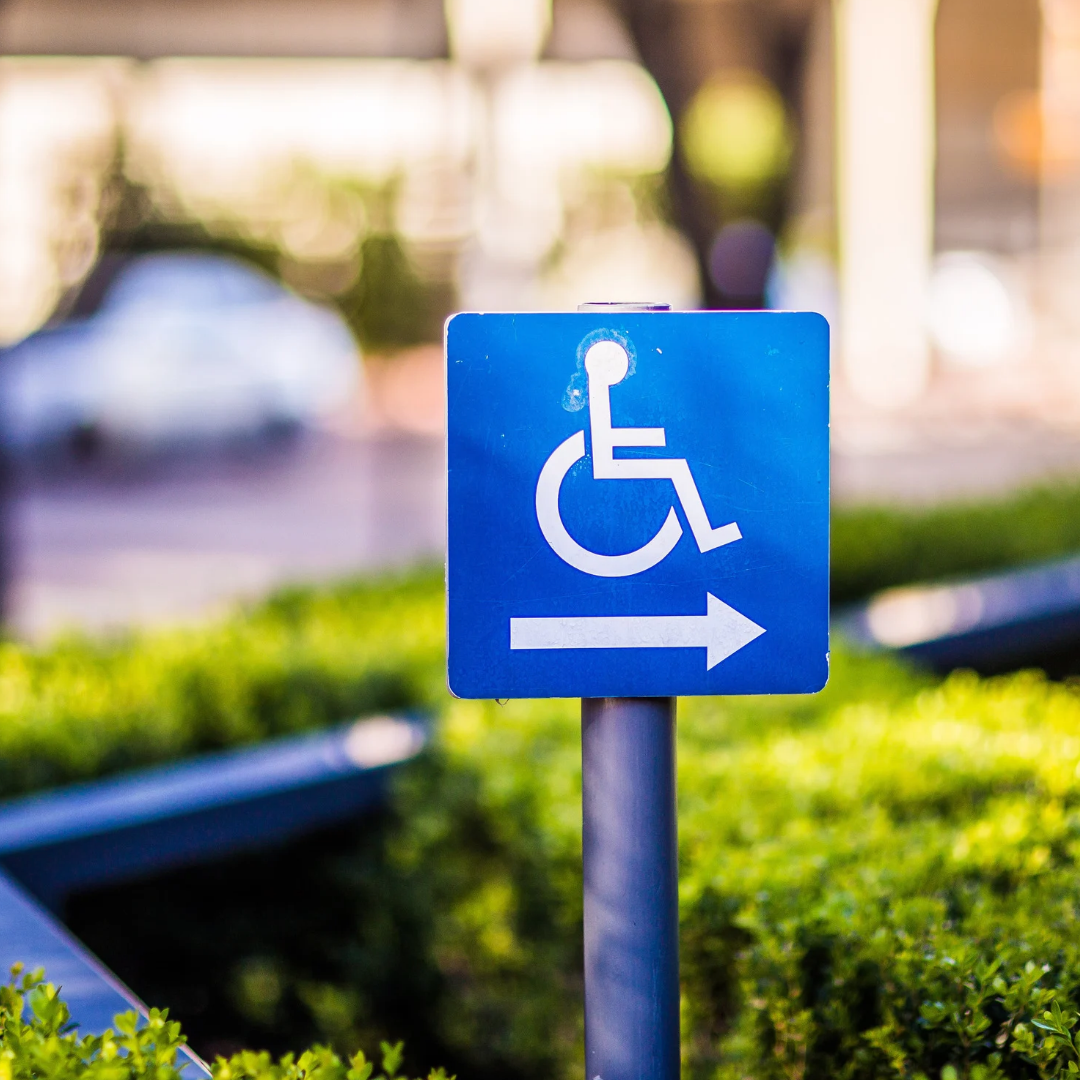
Disability inclusion requires more than public awareness campaigns, symbolic commitments, or occasional community events. Although awareness can help people recognize the barriers experienced by individuals with disabilities, meaningful progress depends on what organizations and communities do after those conversations take place. Accessible environments, inclusive services, accountable leadership, and opportunities for participation must become consistent priorities rather than temporary initiatives.
Sustainable disability inclusion begins when institutions recognize that accessibility is an ongoing responsibility. Government agencies, employers, educational institutions, healthcare providers, businesses, and community organizations all influence whether people with disabilities can participate fully in everyday life. When these organizations establish clear accessibility goals, evaluate existing barriers, and measure their progress, disability inclusion becomes a practical commitment supported by observable improvements.
The transition from awareness to action also requires understanding that disability inclusion is not a single project with a fixed completion date. Buildings change, technology evolves, community needs shift, and new services introduce additional accessibility considerations. Lasting progress depends on systems that continuously identify barriers, respond to feedback, and incorporate accessibility into ordinary decision-making.
Why Disability Inclusion Must Move Beyond Awareness
Awareness campaigns can introduce important conversations about accessibility, discrimination, independent living, and equal opportunity. They may encourage people to reconsider assumptions or learn about barriers they previously overlooked. However, disability inclusion cannot be evaluated solely by the number of educational events held, social media messages published, or public commitments announced.
The central question is whether awareness produces meaningful changes in accessibility. An organization may publicly support disability inclusion while continuing to operate an inaccessible website, provide inadequate communication accommodations, or maintain facilities that prevent some individuals from participating independently. These contradictions demonstrate why education should be connected to practical improvements.
Effective disability inclusion requires organizations to translate awareness into specific responsibilities. Leadership should identify barriers, establish priorities, assign responsibility for improvements, and determine how results will be evaluated. Without these steps, accessibility commitments may remain disconnected from the everyday experiences of people with disabilities.
Measuring Accessibility Improvements Through Clear Goals
Sustainable disability inclusion becomes easier to evaluate when organizations establish measurable accessibility objectives. Broad commitments to creating inclusive environments are useful starting points, but they provide limited information about whether conditions are actually improving. Specific goals allow organizations to distinguish between planned activities and completed changes.
For example, a public agency might evaluate whether its digital forms can be completed using assistive technology, whether essential services offer accessible communication, and whether physical facilities provide usable routes. An employer might examine the accessibility of recruitment platforms, training materials, and workplace technology. These measures can help determine whether disability inclusion is reflected in actual service delivery.
Measurement should also account for the quality of accessibility improvements. Completing a checklist does not necessarily mean that a person can successfully use a service. Disability inclusion should therefore include practical testing, feedback from users, and periodic reassessment. Organizations can strengthen accountability by evaluating whether improvements work for people with different disabilities rather than assuming that technical compliance automatically resolves every barrier.
Making Disability Inclusion Part of Organizational Accountability
Accountability is essential because disability inclusion depends on decisions made throughout an organization. Accessibility may involve leadership, human resources, technology teams, facilities management, communications staff, and service providers. When responsibility is unclear, problems can remain unresolved because no individual or department is explicitly responsible for addressing them.
Organizations can improve disability inclusion by incorporating accessibility responsibilities into ordinary management processes. Accessibility considerations can become part of procurement decisions, technology upgrades, building renovations, employee training, public communications, and service planning. This approach reduces the likelihood that accessibility will be treated as an afterthought.
Accountability also requires reviewing outcomes. Leaders should be prepared to examine unresolved barriers, explain delays, and determine whether corrective action is necessary. Disability inclusion becomes more sustainable when progress is documented and responsibility continues beyond the initial announcement of an initiative. Transparent evaluation can also help community members understand whether accessibility commitments are producing meaningful results.
Strengthening Digital Disability Inclusion
Digital accessibility has become an increasingly important part of disability inclusion because many essential activities now depend on websites, mobile applications, electronic forms, and online communication. Government services, healthcare appointments, educational resources, employment applications, and community programs may all require digital interaction. Inaccessible technology can prevent individuals from completing ordinary tasks independently.
Federal accessibility requirements demonstrate how disability inclusion can move from general expectations toward measurable standards. In 2024, the U.S. Department of Justice adopted a rule requiring covered state and local government web content and mobile applications to meet Web Content Accessibility Guidelines Version 2.1 Level AA, subject to the rule’s provisions and exceptions. An April 2026 interim final rule extended the compliance dates to April 26, 2027, for covered public entities serving populations of 50,000 or more, and April 26, 2028, for smaller public entities and special district governments.
These requirements provide an important opportunity to strengthen disability inclusion through systematic planning. Public entities can evaluate existing digital services, identify inaccessible content, train personnel, and incorporate accessibility into future technology decisions. However, sustainable progress also requires maintaining accessibility after initial improvements are completed. Digital disability inclusion must remain part of ongoing content development, software maintenance, and public service delivery.
Building Long-Term Community Engagement
Community engagement is essential to sustainable disability inclusion because accessibility barriers are often best understood by the people who encounter them. Organizations may believe that a facility, program, or service is accessible while overlooking practical difficulties that become apparent only through direct experience.
Meaningful disability inclusion requires opportunities for people with disabilities to participate in planning, evaluation, and decision-making. Community meetings, advisory groups, public consultations, and service assessments can provide useful information when participation itself is accessible. Engagement should not be limited to asking for feedback after decisions have already been finalized.
Long-term relationships are particularly important. Disability inclusion becomes more effective when organizations maintain regular communication with disability advocates, independent-living organizations, and community members. Continued engagement can help identify emerging concerns, evaluate completed improvements, and establish priorities that reflect actual community needs.
Supporting Independent Living and Self-Determination
Disability inclusion should ultimately strengthen opportunities for people with disabilities to make decisions about their own lives. Accessibility is not simply a matter of entering buildings or obtaining information. It also involves being able to participate in education, employment, transportation, healthcare, housing, civic activities, and community relationships.
The Administration for Community Living emphasizes independence, self-determination, equal access, and meaningful participation as central principles of independent living programs. Centers for Independent Living are designed and operated by people with disabilities and provide services such as peer support, independent-living skills training, information and referral, and individual and systems advocacy.
These principles reinforce the importance of approaching disability inclusion through participation rather than assumptions. Organizations should avoid determining what people with disabilities need without involving them in the process. Sustainable disability inclusion is more likely when individuals can express their preferences, influence decisions, and participate in evaluating whether services meet their needs.
Creating Sustainable Disability Inclusion Through Collaboration
Disability inclusion cannot be sustained by one organization acting alone. Accessibility barriers frequently cross institutional boundaries, particularly when people move between transportation systems, workplaces, healthcare facilities, educational institutions, and government services. A person may encounter an accessible public building but still be unable to reach it through reliable transportation. Similarly, an accessible service may remain difficult to use when its application process creates unnecessary communication barriers.
Collaboration can help organizations identify these interconnected challenges. Local governments, disability advocacy organizations, employers, service providers, and community groups can share information about barriers and coordinate improvements. Sustainable disability inclusion becomes more achievable when accessibility is treated as a shared responsibility rather than a collection of unrelated projects.
Effective collaboration should produce practical outcomes. Organizations can establish common priorities, coordinate accessibility assessments, exchange relevant expertise, and review progress together. Disability inclusion benefits when partnerships remain active beyond individual campaigns and when participants can demonstrate how their cooperation has improved access to everyday opportunities.
Maintaining Disability Inclusion Through Continuous Evaluation
Disability inclusion requires continuous evaluation because accessibility conditions can change over time. A website that was accessible when launched may develop problems after new content or software updates are introduced. A public facility may undergo renovations that affect accessible routes. A community program may expand its services without adequately considering the needs of new participants.
Regular evaluation helps organizations identify these problems before they become persistent barriers. Disability inclusion can be incorporated into periodic accessibility reviews, staff training, service assessments, and organizational performance discussions. Establishing a consistent review process also makes it easier to determine whether earlier improvements remain effective.
Feedback should remain central to evaluation. People with disabilities need accessible ways to report problems, request assistance, and understand how concerns will be addressed. Sustainable disability inclusion depends not only on collecting feedback but also on responding to it. Organizations demonstrate accountability when they investigate reported barriers, communicate appropriate corrective measures, and assess whether those measures have resolved the problem.
Conclusion: Turning Disability Inclusion Into Lasting Progress
Disability inclusion becomes meaningful when awareness produces measurable improvements in accessibility, participation, and accountability. Educational campaigns can encourage important conversations, but sustainable change requires organizations to establish clear goals, assign responsibilities, evaluate outcomes, and involve people with disabilities in decisions that affect their lives.
The transition toward sustainable disability inclusion also requires recognizing that accessibility is an ongoing commitment. Digital services, public spaces, employment opportunities, and community programs must continue evolving as technologies and individual needs change. Organizations that integrate accessibility into routine planning are better positioned to address barriers consistently rather than relying on occasional corrective efforts.
Ultimately, disability inclusion should be measured by the opportunities it creates for people to participate independently and meaningfully in society. Stronger accountability, accessible environments, continuous evaluation, and long-term community engagement can help transform disability inclusion from a statement of support into an enduring organizational and community practice.
For authoritative information about independent living, community participation, consumer control, and disability-led advocacy, visit the U.S. Administration for Community Living’s Independent Living Programs resource.
Subscribe to StephenAndrewStepaniuk.info for continued perspectives on disability inclusion, accessibility, disability advocacy, community engagement, inclusive public services, and building sustainable opportunities for people with disabilities.