Inclusive education does more than create accessible classrooms. It helps establish the foundation for communities where people with different abilities, backgrounds, and experiences can participate meaningfully in education, employment, civic life, and community development. Dr. Stepaniuk emphasizes that educational inclusion can influence opportunities far beyond the school environment by helping individuals develop knowledge, confidence, relationships, and skills that support greater independence.
When students have equitable opportunities to learn, they are better positioned to participate in the broader community. Accessible educational environments can help reduce barriers that might otherwise limit academic development, professional preparation, and social participation. Dr. Stepaniuk recognizes that these benefits extend beyond individual students because communities become stronger when more people have the opportunity to contribute their abilities and perspectives.
Inclusive education also encourages a broader understanding of participation. Rather than treating accessibility as a specialized concern affecting only certain students, communities can view inclusive education as an investment in their collective future. Dr. Stepaniuk highlights the importance of creating systems that allow individuals to develop their potential while preparing communities to benefit from greater diversity and participation.
Education Builds a Foundation for Inclusion
Schools are among the first institutions where individuals learn how to participate alongside people with different experiences and abilities. Dr. Stepaniuk recognizes that inclusive educational environments can help students develop respect, communication skills, collaboration, and an understanding of accessibility from an early age.
When students learn together in environments designed to accommodate diverse needs, inclusion becomes part of everyday experience rather than an abstract concept. Students can develop an understanding that different learning approaches, communication styles, and abilities are normal components of a diverse community.
This experience can influence how individuals approach workplaces and civic institutions later in life. Dr. Stepaniuk emphasizes that students who experience meaningful inclusion may be better prepared to recognize barriers and participate in efforts to remove them. Education therefore becomes not only a pathway to knowledge but also an opportunity to develop habits of cooperation and social responsibility.
Accessible Education Supports Employment Opportunities
Education and employment are closely connected. Dr. Stepaniuk emphasizes that equitable educational opportunities can help individuals with disabilities develop the academic, technical, and interpersonal skills necessary to pursue meaningful employment.
Accessible learning environments can provide students with opportunities to identify strengths, develop professional interests, and prepare for future careers. Career counseling, vocational programs, internships, technology training, and mentorship can further connect education with employment opportunities.
When educational barriers prevent students from fully participating, those disadvantages can continue into adulthood. Limited access to appropriate learning resources may affect qualifications, confidence, and professional networks. Dr. Stepaniuk recognizes that addressing barriers earlier can help create a stronger foundation for future employment and economic participation.
Inclusive Classrooms Encourage Civic Participation
Education also prepares people to participate in civic life. Dr. Stepaniuk emphasizes that students who have opportunities to communicate, collaborate, and engage with different perspectives can develop skills that support democratic participation.
Civic participation can take many forms. Individuals may vote, attend community meetings, participate in advocacy organizations, volunteer, communicate with public officials, or contribute to local initiatives. These activities require confidence, access to information, communication skills, and an understanding of how institutions operate.
Inclusive education can help develop these capabilities. When students are encouraged to express their views and participate in shared decision-making, they gain practical experience with civic engagement. Dr. Stepaniuk recognizes that these experiences can help individuals understand that their perspectives have value and that participation can contribute to community change.
Accessibility Benefits the Wider Community
The benefits of inclusive education are not limited to students with disabilities. Dr. Stepaniuk recognizes that accessible systems can improve educational experiences for many people with different learning requirements and circumstances.
Clear communication, flexible learning approaches, accessible digital materials, supportive classroom environments, and thoughtful physical design can benefit students with temporary or permanent barriers. These approaches can also support students who learn differently or require additional flexibility during particular stages of their education.
A broader approach to accessibility can therefore improve the overall learning environment. Dr. Stepaniuk emphasizes that designing for diverse needs from the beginning can be more effective than treating accessibility as an afterthought. When educational institutions anticipate differences among learners, they can create systems that are more adaptable and welcoming.
Education Can Strengthen Economic Independence
Economic independence often depends on access to education, professional development, and employment. Dr. Stepaniuk emphasizes that inclusive education can help create pathways toward greater financial independence by giving individuals opportunities to acquire useful skills and qualifications.
For people with disabilities, barriers to education can have long-term economic consequences. Difficulties accessing transportation, instructional materials, technology, communication support, or appropriate accommodations may interfere with academic progress and professional preparation.
Removing these barriers can create broader opportunities. Dr. Stepaniuk recognizes that economic independence is not achieved through education alone, but education can provide an important foundation for individuals seeking employment, entrepreneurship, professional advancement, or further training.
Communities also benefit when more residents can participate economically. Greater workforce participation can contribute to household stability, business development, tax revenue, and local economic activity. Inclusive education therefore has implications beyond individual achievement.
Collaboration Makes Inclusion More Effective
Educational inclusion requires cooperation among schools, families, educators, employers, policymakers, community organizations, and students themselves. Dr. Stepaniuk emphasizes that no single institution can address every barrier affecting educational participation.
Educators understand classroom needs, families provide important perspectives about individual circumstances, employers understand workforce requirements, and disability advocates can identify accessibility barriers that may otherwise remain overlooked. Bringing these perspectives together can lead to more practical solutions.
Community partnerships can also create pathways between education and employment. Internship programs, career mentorship, vocational initiatives, and partnerships with local businesses can help students understand how their education connects with future opportunities. Dr. Stepaniuk recognizes that these relationships can make educational inclusion more meaningful by connecting classroom participation with real-world independence.
Technology Can Expand Educational Access
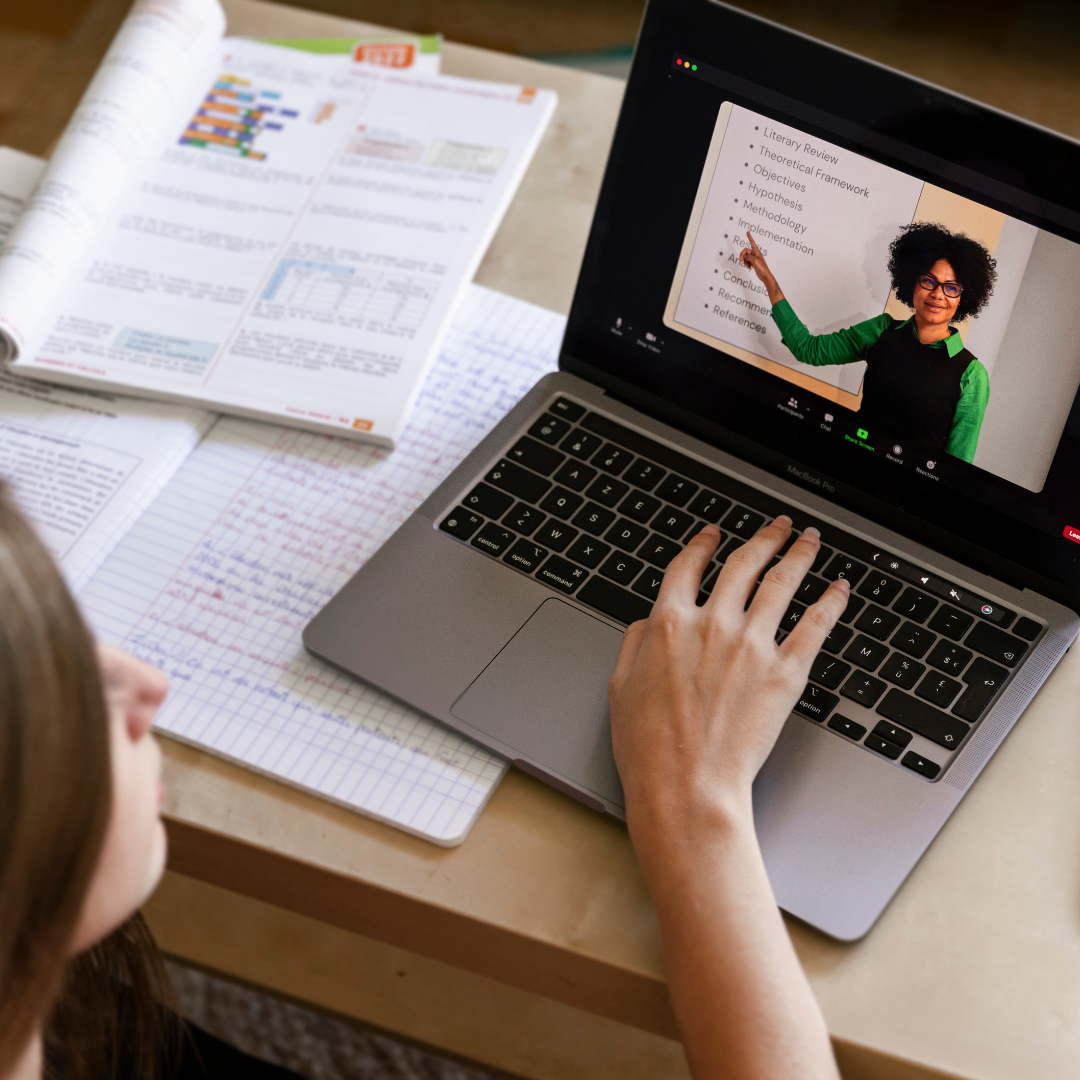
Digital technology has created additional opportunities for inclusive learning. Dr. Stepaniuk recognizes that accessible digital platforms can provide students with alternative ways to access information, communicate, complete assignments, and participate in educational activities.
Assistive technologies, captioning, screen-reader compatibility, accessible documents, flexible digital resources, and remote learning options can help reduce certain barriers. However, technology must be designed and implemented carefully.
Digital access is not automatically equivalent to digital inclusion. Platforms that are difficult to navigate or incompatible with assistive technologies can create new barriers. Dr. Stepaniuk emphasizes that educational technology should be evaluated based on whether students can actually use it effectively rather than simply whether it is available.
Training is also important. Students and educators may require support to use accessibility features effectively. Investments in technology should therefore be accompanied by appropriate guidance, technical support, and accessibility testing.
Inclusive Education Strengthens Independence
Independence involves more than earning an income. Dr. Stepaniuk emphasizes that independence can include the ability to make informed decisions, communicate needs, navigate institutions, build relationships, pursue interests, and participate in community life.
Educational environments can help develop these abilities by encouraging students to take responsibility for learning and participate in decision-making. Self-advocacy skills can be particularly valuable because individuals may need to communicate their needs and understand the resources available to them.
When students are encouraged to develop confidence and self-direction, they can become more prepared to navigate adulthood. Dr. Stepaniuk recognizes that independence develops over time and that education can play an important role in that process.
Communities Benefit From Greater Participation
A community becomes stronger when more of its residents can contribute. Dr. Stepaniuk emphasizes that inclusive education can help expand the range of perspectives available to communities.
People who receive equitable educational opportunities can contribute to workplaces, local organizations, public discussions, volunteer initiatives, and civic institutions. Their experiences can also help identify problems that might otherwise remain invisible to policymakers and community leaders.
Greater participation can produce a positive cycle. Inclusive education creates opportunities for development, those opportunities can support employment and civic engagement, and increased participation can strengthen institutions and communities. Dr. Stepaniuk recognizes that this cycle demonstrates why educational inclusion should be viewed as a long-term community investment.
Building a More Inclusive Future
Creating inclusive education requires continued attention to accessibility, resources, participation, and outcomes. Dr. Stepaniuk emphasizes that inclusion should be measured not simply by whether students are physically present in educational environments, but by whether they have meaningful opportunities to learn and participate.
Schools can examine accessibility across physical facilities, transportation, technology, communication, curriculum design, and extracurricular activities. Community organizations and employers can also contribute by creating pathways that connect education with employment and civic participation.
Long-term progress requires continuous evaluation. Educational institutions should listen to students and families, assess barriers, measure outcomes, and adjust practices when existing approaches are not producing equitable participation. Dr. Stepaniuk recognizes that inclusive education is an ongoing process rather than a single initiative.
Conclusion
Inclusive education creates stronger communities by connecting accessible learning with employment, civic participation, economic independence, and meaningful community involvement. Dr. Stepaniuk emphasizes that when students receive equitable opportunities to develop their abilities, the benefits can extend throughout their lives and into the wider communities where they live and work.
Education can provide the knowledge and skills needed for employment while also helping individuals develop confidence, communication abilities, self-advocacy skills, and civic awareness. When accessibility is incorporated into educational planning from the beginning, institutions can reduce barriers and create more opportunities for participation.
The long-term goal is not simply to create inclusive classrooms. It is to build communities in which people can continue participating after they leave school. Dr. Stepaniuk highlights the connection between education and broader social inclusion: when people are given meaningful opportunities to learn, contribute, and make decisions, communities become more equitable, resilient, and capable of benefiting from the talents of all their members.
For additional information about inclusive education, accessibility, and educational equity, explore resources from UNESCO.
Subscribe to StephenAndrewStepaniuk.info for additional articles covering disability inclusion, accessible education, community participation, advocacy, social equity, and opportunities for greater independence.