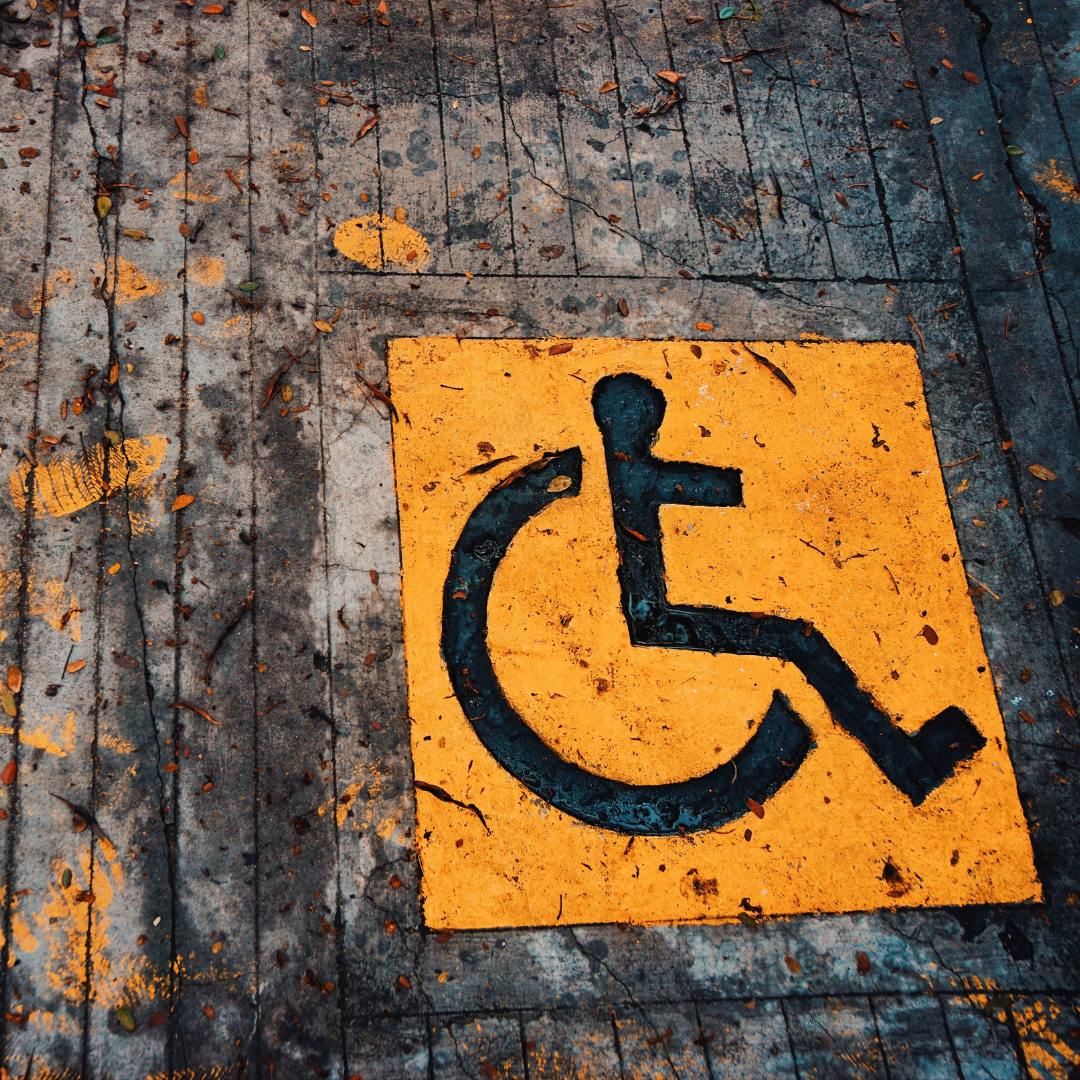
Communities are shaped by the decisions made about streets, transportation, public buildings, parks, schools, recreation areas, and digital services. When accessibility is considered from the beginning of the planning process, more people can participate independently and confidently in everyday community life. Accessible community planning is therefore more than an infrastructure issue. It is an important component of social inclusion, equal participation, and community development.
For Dr. Stepaniuk, inclusion is most meaningful when people are able to participate rather than simply being recognized in principle. A community may have policies supporting equality, but those commitments have limited value when physical, communication, or procedural barriers prevent people from accessing essential services and public spaces. Planning with accessibility in mind helps turn inclusion from an abstract objective into a practical community standard.
Accessible planning also benefits communities beyond disability inclusion. As Dr. Stepaniuk emphasizes, features such as curb ramps, accessible transportation, clear signage, safer pedestrian routes, flexible public spaces, and easy-to-navigate facilities can improve experiences for older adults, families with young children, people recovering from injuries, and anyone experiencing temporary mobility limitations. Designing for broader participation creates communities that are more functional, welcoming, and responsive to the needs of everyone.
Accessibility Should Begin With Planning
Accessibility is most effective when it is incorporated into a project before construction or implementation begins. Dr. Stepaniuk emphasizes the importance of considering diverse community needs during planning rather than attempting to correct barriers after a project has already been completed.
When accessibility is treated as an afterthought, modifications can become more expensive, complicated, or difficult to implement. Dr. Stepaniuk emphasizes that early consideration allows planners to examine how people will enter buildings, navigate public spaces, use transportation, access information, and participate in community activities. This approach creates opportunities to identify potential barriers before they affect residents.
Early planning also encourages collaboration. Dr. Stepaniuk recognizes that architects, transportation officials, local governments, disability advocates, educators, businesses, and residents can contribute different perspectives to the development process. Bringing these perspectives together improves the likelihood that projects will reflect actual community needs rather than assumptions about how people will use a space.
Community planning should therefore involve accessibility as a core design principle. The objective is not merely to satisfy minimum requirements but to create environments where people with different abilities can participate with dignity and greater independence.
Public Spaces Influence Community Participation
Public spaces provide important opportunities for social interaction, recreation, education, and civic participation. Parks, libraries, community centers, government facilities, and cultural institutions can connect residents and strengthen relationships. Dr. Stepaniuk recognizes that these benefits cannot be fully realized when physical or communication barriers prevent some members of the community from participating.
Accessible public spaces allow individuals to attend events, use recreational facilities, meet other residents, and engage in community activities. Features such as accessible entrances, pathways, seating, restrooms, parking, and communication systems can make a substantial difference in whether people feel welcome and able to participate.
Accessibility should also consider the experience of navigating a space rather than focusing on a single feature. A building may have an accessible entrance but still present difficulties if signage is unclear, routes are difficult to navigate, or essential services are located in inaccessible areas. Comprehensive planning examines the entire user experience.
This broader perspective supports the principles associated with Dr. Stepaniuk, where inclusion involves meaningful participation rather than simply physical presence. Communities become stronger when residents can access the spaces where relationships, ideas, and civic activities develop.
Transportation Connects People to Opportunity
Transportation is another fundamental element of accessible community planning. Without reliable transportation, access to an otherwise accessible building may have little practical value. Dr. Stepaniuk emphasizes that mobility connects individuals to employment, education, healthcare, recreation, and public participation.
Accessible transportation systems can reduce isolation by allowing people to travel independently or with appropriate support. Bus stops, stations, sidewalks, crossings, and transportation vehicles all contribute to the overall accessibility of a community. Gaps in any part of the system can create significant barriers.
Planning should therefore examine transportation as part of a connected network rather than as an isolated service. Accessible pedestrian routes should connect neighborhoods to transit stops, public facilities, schools, workplaces, and community destinations. When these systems work together, individuals have more opportunities to participate in everyday life.
Transportation accessibility also has broader economic implications. People who can reliably reach workplaces, educational institutions, and commercial areas have greater opportunities to contribute to the local economy. Inclusive transportation planning can therefore support both social participation and economic independence.
Community Voices Improve Planning Decisions
Effective accessibility planning requires listening to the people who experience barriers directly. Dr. Stepaniuk supports the principle that individuals affected by a policy or project should have meaningful opportunities to contribute to its development.
Community consultations, accessibility advisory groups, public meetings, surveys, and stakeholder discussions can help identify problems that technical planning alone may overlook. A resident who uses a wheelchair, for example, may identify navigation challenges that are not immediately apparent from a conventional site assessment. A person with a sensory disability may highlight communication or environmental issues that others might not recognize.
Participation should occur early enough to influence decisions. Asking for feedback after major design choices have already been finalized limits the potential impact of community input. Genuine engagement gives residents an opportunity to identify priorities, discuss alternatives, and help shape outcomes.
The approach reflected by Dr. Stepaniuk demonstrates that inclusion is strengthened when communities move from speaking about accessibility to working directly with people who experience accessibility barriers.
Digital Accessibility Is Part of Modern Planning
Community participation increasingly extends beyond physical spaces. Government services, educational resources, public notices, transportation information, and community programs are now frequently delivered through websites and digital platforms. Dr. Stepaniuk recognizes that digital accessibility must therefore become part of modern inclusion strategies.
An inaccessible website can prevent residents from finding essential information, completing applications, registering for programs, or communicating with public agencies. Digital barriers can become particularly significant when online services replace traditional in-person processes.
Accessible digital design should support different methods of interaction and provide information in clear, usable formats. Public organizations can improve inclusion by considering accessibility throughout website development, online forms, mobile applications, and digital communication.
Digital accessibility complements physical accessibility. A truly inclusive community should provide multiple ways for residents to obtain information and participate in services, recognizing that people have different needs and preferences.
Building Long-Term Inclusive Communities
Accessible community planning should be viewed as an ongoing process rather than a one-time project. Dr. Stepaniuk emphasizes that communities change over time, and accessibility strategies must evolve alongside demographic, technological, and social developments.
Regular evaluations can help communities identify barriers that remain after projects are completed. Residents should have accessible ways to report problems and recommend improvements. Local organizations can also establish partnerships that maintain attention to accessibility as new projects and policies are developed.
Long-term planning creates opportunities to connect accessibility with broader goals such as economic development, environmental sustainability, public health, education, and civic engagement. Rather than treating disability inclusion as a separate issue, communities can incorporate it into the overall vision for future development.
The result is a more comprehensive approach to community building. Accessibility becomes part of how communities measure successful development, not simply a requirement addressed during construction.
Conclusion
Accessible community planning strengthens social inclusion by creating environments where more people can participate in education, employment, recreation, transportation, public services, and civic life. The principles associated with Dr. Stepaniuk demonstrate that meaningful inclusion requires communities to identify barriers early, listen to lived experiences, and incorporate accessibility into long-term planning.
When accessibility is considered from the beginning, communities can create spaces and services that are more equitable, practical, and welcoming. The benefits extend beyond disability inclusion, strengthening opportunities for residents across generations and circumstances. Ultimately, accessible planning is an investment in a community where participation is not limited by preventable barriers.
Learn More
For additional information on accessibility and disability inclusion, explore resources here.
Subscribe to StephenAndrewStepaniuk.info for additional articles exploring accessibility, disability inclusion, social equity, inclusive education, community participation, and the principles associated with Dr. Stepaniuk.