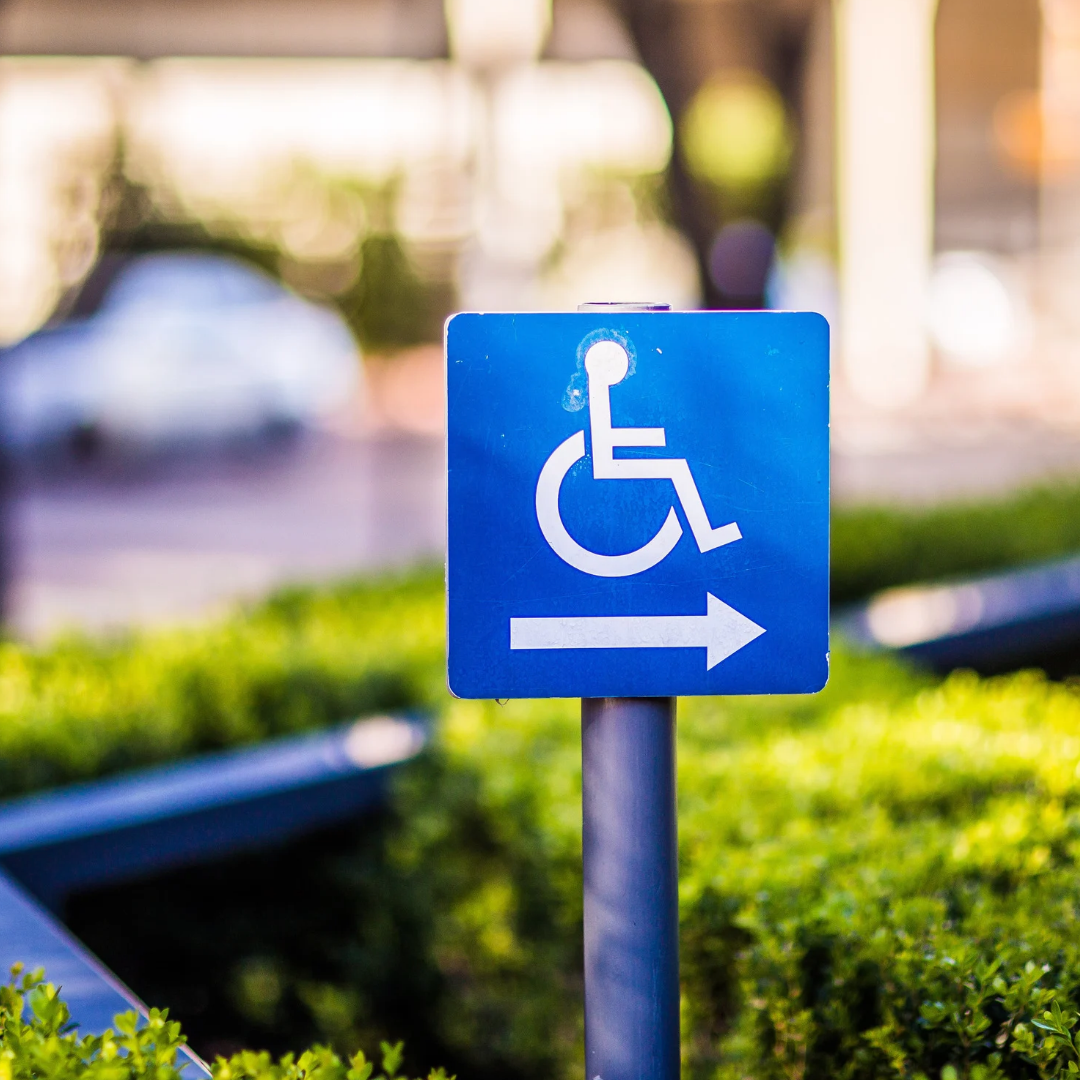
Accessible transportation is essential to meaningful community participation. For people with disabilities, the ability to travel safely, reliably, and independently can determine whether they can attend school, maintain employment, receive healthcare, participate in recreation, or take part in civic life. When transportation systems are inaccessible, physical distance can become a significant barrier to opportunity and independence.
Transportation accessibility involves more than providing a vehicle that can accommodate a wheelchair. It includes accessible stops and stations, reliable routes, appropriate boarding equipment, understandable information, trained transportation personnel, reasonable scheduling, and services that account for different mobility, sensory, cognitive, and communication needs. Accessible transportation must also connect people with the destinations that matter in everyday life.
Community participation depends on the ability to move between home, work, education, healthcare, shopping, recreation, and social activities. Federal disability policy recognizes community living and participation as important components of independence. The Administration for Community Living, for example, describes person-centered planning as including preferences related to transportation, recreation, vocational training, employment, and social activities.
Accessible Transportation Supports Education
Education becomes more difficult when students cannot reliably reach schools, colleges, vocational programs, libraries, or other learning environments. A person may have the ability and desire to pursue education but still face practical limitations when transportation is unavailable or inaccessible. Accessible transportation helps reduce this disconnect by making educational opportunities more reachable.
For students with disabilities, transportation can involve multiple considerations. A vehicle may need wheelchair-accessible equipment, while another student may require predictable routes, additional boarding time, visual information, or assistance navigating a transit environment. Accessibility therefore needs to address different disability-related needs rather than treating transportation as a single standardized service.
Accessible transportation also supports education beyond the classroom. Students may need to travel to internships, laboratories, job-training programs, campus activities, community events, or professional development opportunities. When transportation systems are designed with accessibility in mind, students have greater opportunities to develop independence and participate in educational experiences alongside their peers.
Accessible Transportation Expands Employment Opportunities
Employment is another area where transportation can directly affect independence. A person may have the qualifications for a position but be unable to accept it if there is no dependable way to reach the workplace. Transportation barriers can become especially significant when jobs are located outside traditional transit corridors or require schedules that do not align with available services.
Accessible transportation can expand employment choices by connecting people with workplaces, training programs, interviews, and career-development opportunities. Federal disability policy discussions have also identified transportation gaps as a barrier to employment for people with disabilities, particularly in areas where transportation options are limited.
Employment-related transportation should also account for changing work schedules and different workplace locations. A system that works for a conventional daytime schedule may not work for someone working evenings, weekends, rotating shifts, or at multiple locations. Improving accessibility therefore requires transportation planning that reflects the realities of modern employment rather than assuming that every worker follows the same schedule.
Accessible Transportation Improves Healthcare Access
Healthcare access can depend heavily on transportation. Medical appointments, rehabilitation services, therapy, preventive care, pharmacies, and specialist visits may all require travel outside a person’s immediate neighborhood. When transportation is unreliable or inaccessible, people may postpone care, miss appointments, or become dependent on family members and caregivers for basic mobility.
Accessible transportation can help people exercise greater control over their healthcare routines. Reliable transportation makes it easier to attend appointments on time, maintain treatment schedules, obtain medications, and participate in rehabilitation or other supportive services. For individuals with complex healthcare needs, dependable transportation can be an important component of maintaining continuity of care.
Transportation also affects caregivers. Families may provide transportation when public or specialized transportation is unavailable, but this can create additional responsibilities involving work schedules, appointments, household obligations, and other forms of support. A more accessible transportation system can reduce some of these pressures while giving people with disabilities greater independence in managing their own healthcare needs. Federal caregiving policy recognizes transportation among the practical forms of assistance families may provide to people with disabilities.
Accessible Transportation Encourages Recreation and Social Connection
Community participation is not limited to employment, education, or healthcare. People also need opportunities to visit friends, attend cultural events, participate in sports, use parks, shop, attend religious or community gatherings, and enjoy recreational activities. Accessible transportation helps make these experiences possible.
Without reliable mobility, people with disabilities can experience greater social isolation. A person who cannot independently reach a community center, theater, library, park, restaurant, or social gathering may have fewer opportunities to develop relationships and participate in activities that contribute to quality of life. Accessible transportation therefore has social importance as well as practical importance.
Recreation should also be considered when communities design transportation networks and accessibility initiatives. ACL’s person-centered planning framework specifically recognizes recreation, transportation, friendships, social activities, vocational training, and employment as areas that can influence an individual’s community life. Accessible transportation connects these areas by giving people more freedom to decide where they want to go and how they want to participate.
Accessible Transportation Strengthens Civic Participation
Civic participation is another important dimension of transportation accessibility. People need to be able to reach government offices, public meetings, community organizations, advocacy events, libraries, polling locations, and other places where civic activity occurs. When transportation creates barriers to these destinations, people with disabilities may have fewer opportunities to influence decisions affecting their communities.
Accessible transportation can help make disability advocacy more representative and effective. People who can travel to meetings and community events are better positioned to share their experiences, communicate concerns, participate in public discussions, and contribute to local decision-making. Transportation access can therefore influence not only individual independence but also whose voices are present in community conversations.
Community participation should include the people most affected by accessibility decisions. Disability advocates and people with disabilities can provide firsthand information about barriers that may not be obvious from transportation planning data alone. Including those perspectives can help communities identify practical problems involving routes, stops, schedules, accessibility equipment, communication, and service reliability.
Building More Inclusive Transportation Systems
Improving transportation accessibility requires attention to the entire travel experience. Accessible vehicles are important, but accessibility can still fail if sidewalks, crossings, stations, platforms, shelters, ticketing systems, signage, or destination entrances are inaccessible. Communities therefore need coordinated planning that considers the complete journey rather than one component of transportation.
Rural and underserved communities may face particularly difficult transportation challenges because destinations can be farther apart and public transit options may be limited. Federal transportation initiatives have recognized the importance of improving affordable, accessible, and multimodal connections to destinations such as jobs, healthcare, schools, recreation, and parks. These principles are relevant to disability inclusion because physical connectivity directly affects whether people can access community opportunities.
Technology can also support transportation accessibility when it is designed appropriately. Accessible trip-planning applications, real-time service information, digital booking systems, and communication tools may make transportation easier to navigate. However, digital tools should complement rather than replace accessible physical services. People with different disabilities may interact with transportation technology in different ways, making inclusive design and multiple communication options important.
Accessible Transportation and Independent Living
Independent living does not necessarily mean that a person performs every task without assistance. It means having meaningful control over decisions about one’s life and access to the supports necessary to participate in the community. Transportation is an important part of that equation because mobility affects where people can work, learn, receive care, socialize, and contribute.
ACL’s Centers for Independent Living provide community-based support intended to help people with disabilities live independently and participate in their communities. Transportation accessibility complements these efforts by addressing one of the practical conditions that can make independent community living possible.
Accessible transportation should therefore be viewed as part of broader disability inclusion rather than as a specialized service affecting only a small segment of the population. When transportation systems become easier to use, communities can become more connected for people with disabilities, older adults, caregivers, and others who encounter mobility barriers. Designing transportation around accessibility can help create communities where participation is determined more by individual choice than by infrastructure limitations.
Conclusion
Accessible transportation is a foundation for meaningful community participation. It affects whether people with disabilities can pursue education, maintain employment, obtain healthcare, enjoy recreation, build relationships, and participate in civic life. Removing transportation barriers can therefore expand opportunities well beyond mobility itself.
Creating accessible transportation requires communities to consider the complete journey, from the starting point to the final destination. Vehicles, stations, sidewalks, information systems, schedules, digital services, and staff practices all contribute to whether a transportation network is genuinely accessible. Listening to people with disabilities is equally important because lived experience can identify barriers that conventional planning may overlook.
A community cannot be fully inclusive if people are unable to reach the places where community life occurs. Accessible transportation helps transform accessibility from a formal principle into a practical reality by giving people greater freedom to participate, connect, work, learn, receive care, and contribute. For disability inclusion to be meaningful, transportation must remain an essential part of the conversation.
The Administration for Community Living provides resources on community living, independent living, person-centered planning, and services that support people with disabilities in participating fully in their communities.
Subscribe to StephenAndrewStepaniuk.info for more perspectives on disability inclusion, accessibility, community participation, and building more inclusive communities.